University of Pittsburgh logo
Department of Psychiatry
University of Pittsburgh logo
Information for You
  • Faculty & Staff
  • Prospective Trainees
  • Investigators
  • Patients & Families
Our People
Menu
  • Education
    • Education Overview
    • Residency & Fellowships
    • Research Training
    • Medical Student Education
    • Clinical Psychology Internship
    • Clinician Career Development
  • Research
    • Research Overview
    • Research Faculty
    • Research Training
    • Investigator Resources
    • Health Equity Research
    • Participate in Research
  • Patient Care
    • Patient Care Overview
    • Access to Care
    • Clinical Services Overview
    • Clinical Faculty
    • Resources for Clinicians
  • Community & Culture
    • Community & Culture Overview
    • Leadership & Advisory Council
    • Research Equity & Community Health (REACH)
    • Community & Partnership
    • Community News
  • About Us
    • About Us Overview
    • Chair's Message
    • Our People
    • Our History, Our Present, & Our Future
    • Life in Pittsburgh
  • News & Events
    • News & Events Overview
    • News
    • Events
  • Information for You
    • Faculty & Staff
    • Prospective Trainees
    • Investigators
    • Patients & Families
  • Our People

Main menu

  • Education
    • Residency & Fellowships
      • Residency Training
      • Training Pathways & Concentrations
      • Clinical Fellowships
      • Our Clinical Learning Environment
      • Our Leadership
      • Our Chief Residents
      • Our Residents
    • Research Training
      • Undergraduate & Graduate Student Training
      • Medical Student Research
      • Research During Residency
      • Postdoctoral Training
      • Medical Student Education
      • Clinical Psychology Internship
      • Clinician Career Development
  • Research
    • Research Training
      • Undergraduate & Graduate
      • Medical Student Research
      • Research During Residency
      • Postdoctoral Training
    • Investigator Resources
      • Research Day
      • Research Review Committee
      • Assessment Instruments
    • Health Equity Research
      • REACH Collaborative
      • Research Faculty
      • Participate in Research
  • Patient Care
      • Access to Care
      • Clinical Services Overview
      • Clinical Faculty
      • Resources for Clinicians
  • Community & Culture
  • About Us
    • Our People
      • Faculty
      • Staff
      • Emeritus Faculty
      • Chair's Message
      • Our History, Our Present, & Our Future
      • Life in Pittsburgh
  • News & Events
      • News
      • Events
  • Search

Breadcrumb menu

  1. Home
  2. Education
  3. Research Training
  4. Postdoctoral Training
  5. Training Programs
  6. Alcohol Research

Education

  • Residency & Fellowships
  • Research Training
    • Undergraduate & Graduate Student Training
    • Medical Student Research
    • Research During Residency
    • Postdoctoral Training
      • Mentorship
      • Career Development
      • Training Programs
        • Alcohol Research
        • Cardiovascular Behavioral Medicine
        • Child Mental Health
        • Clinical Research Training for Psychologists
        • Geriatric Psychiatry
        • Sleep Medicine
        • Substance Use Disorder Research
        • Translational Neuroscience
      • Resources
  • Medical Student Education
  • Clinical Psychology Internship
  • Clinician Career Development

Alcohol Research Training

The Developmental Alcohol Research Training (DART) program at the University of Pittsburgh, directed by Brooke S. G. Molina, PhD, approaches training in alcohol use research from a developmental perspective, focusing on gestation to adulthood. 

Training involves active participation on research projects with mentors, including the development of an alcohol-themed research project led by the trainee with mentor oversight. Upon entry into the DART program, postdoctoral fellows define, in collaboration with their mentors and the Program Directors, a plan to accomplish key areas for training (e.g., conceptual knowledge in a target area of interest, specific methodologic skills, targeted manuscripts, data collection) that can be completed within two years. Fellows may develop an application for research funding, depending on their training goals.
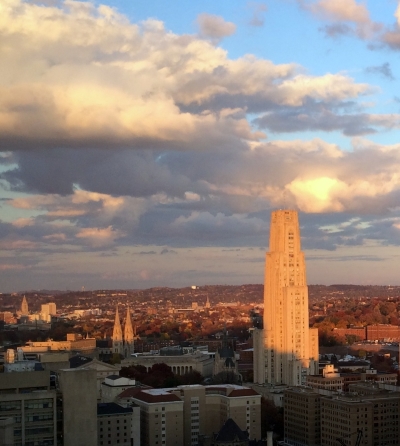
View of Oakland of the Cathedral of Learning
View of Oakland and the Cathedral of Learning

Trainees attend courses and workshops on alcohol use and substance use disorders, developmental psychopathology, epidemiology, and biostatistics, the required Department of Psychiatry Career and Research Development Seminar (CARDS), and the cross-departmental Seminar on Addictions Research (SOAR). The DART program faculty are committed to training researchers to become independent investigators with the skills and tools for collaborative, multidisciplinary research in developmental studies of alcohol use and alcohol use disorder.


Program length

Initial one-year appointment, with an opportunity for a second-year renewal with satisfactory progress. A third year of support is occasionally provided contingent on progress, goals, and funding availability.


Who should apply?

Two types of postdoctoral fellows may apply: 

  1. Individuals with a PhD who are trained in fields such as psychology, epidemiology, or sociology. This type of applicant has demonstrated research skills and wishes to apply them to the alcohol field.
  2. Individuals with an MD or other clinical degree with varying levels of research training. This type of applicant may take individual courses or pursue a MPH degree to further their research skills.


How many spots are available?

Three postdoctoral stipends may be available each year, depending on funding.


How do I apply?

Please contact the Program Directors:

Brooke S G Molina, PhD

Brooke S Molina, PhD

Professor of Psychiatry, Clinical and Translational Science, Pediatrics, and Psychology

Contact Details

3811 O'Hara St.
Pittsburgh
 
PA
 
15213
Email molinab@upmc.edu
Website
Youth and Family Research Program
Developmental Alcohol Research Training Program
Assistant
Carol Walker Hundiak
walkercb@upmc.edu
University of Pittsburgh logo

Stay connected

  • LinkedIn
  • Bluesky
  • Instagram
  • Facebook
  • Threads

Location

Thomas Detre Hall
3811 O'Hara Street
Pittsburgh, PA 15213
  • Contact Us

Related Websites

  • medschool.pitt.edu
  • pitt.edu

Explore

  • Find People
  • Education
  • Research
  • Patient Care
  • Community & Culture
  • About Us
  • News and Events

Information for

  • Faculty & Staff
  • Prospective Trainees
  • Investigators
  • Patients & Families

Intranet Sites

  • Psy Hub for faculty (requires UPMC log-in and UPMC computer or access through MyApps)
  • Postdoc Portal Postdoc Portal for postdoctoral trainees
  • Office of Grants and Contracts (OGC) website accessible on internal network only

Join Our Newsletter

Stay up to date on department and faculty happenings.

University of Pittsburgh Department of Psychiatry mailing list Fill in the form to subscribe to the mailing list.

Psychiatry Advances Podcast

Covering Innovative research and patient-centered programs.

Listen to Podcast

© 2026 University of Pittsburgh Department of Psychiatry