

Combined Family Medicine Psychiatry Program
Our Curriculum
Through our joint family medicine-psychiatry curriculum, residents spend varying amounts of time per year in each discipline with longitudinal outpatient experiences across all five years. These outpatient experiences represent family medicine primary care, psychiatric specialty care, and an integrated family medicine/psychiatry experience in a community health center.
Within our combined program, clinical rotations in primary care are generally in four-week blocks, with 13 blocks per year. The clinical rotations in psychiatry are four to ten weeks and are integrated with the primary care experience (with the exception of longitudinal ambulatory psychiatry). Formal teaching is provided in each discipline separately.
Residents in this program may also apply for the Academic Administrator Clinician Educator Track.
Classroom Training
An evidence-based approach to medical care is strongly emphasized in family medicine classroom training. This training takes place at UPMC St. Margaret and consists of organized lectures, seminars, workshops and case conferences specifically focused on topics pertinent to primary care. In all, the family medicine residency program devotes at least 20 hours each month to such sessions, with a structured curriculum based on program evaluations. In general, a resident in the combined program will attend the family medicine didactics when they are on a family medicine rotation.
Together with General Psychiatry Trainees, Combined Family Medicine Psychiatry residents attend the UPMC Western Psychiatric Hospital Thursday afternoon didactic courses from mid-PGY1 out to the end of PGY4. This formal teaching focuses on a fundamental psychiatric knowledge base upon which subsequent training and education will build. The curriculum includes lectures, seminars, case conferences, grand rounds and workshops.
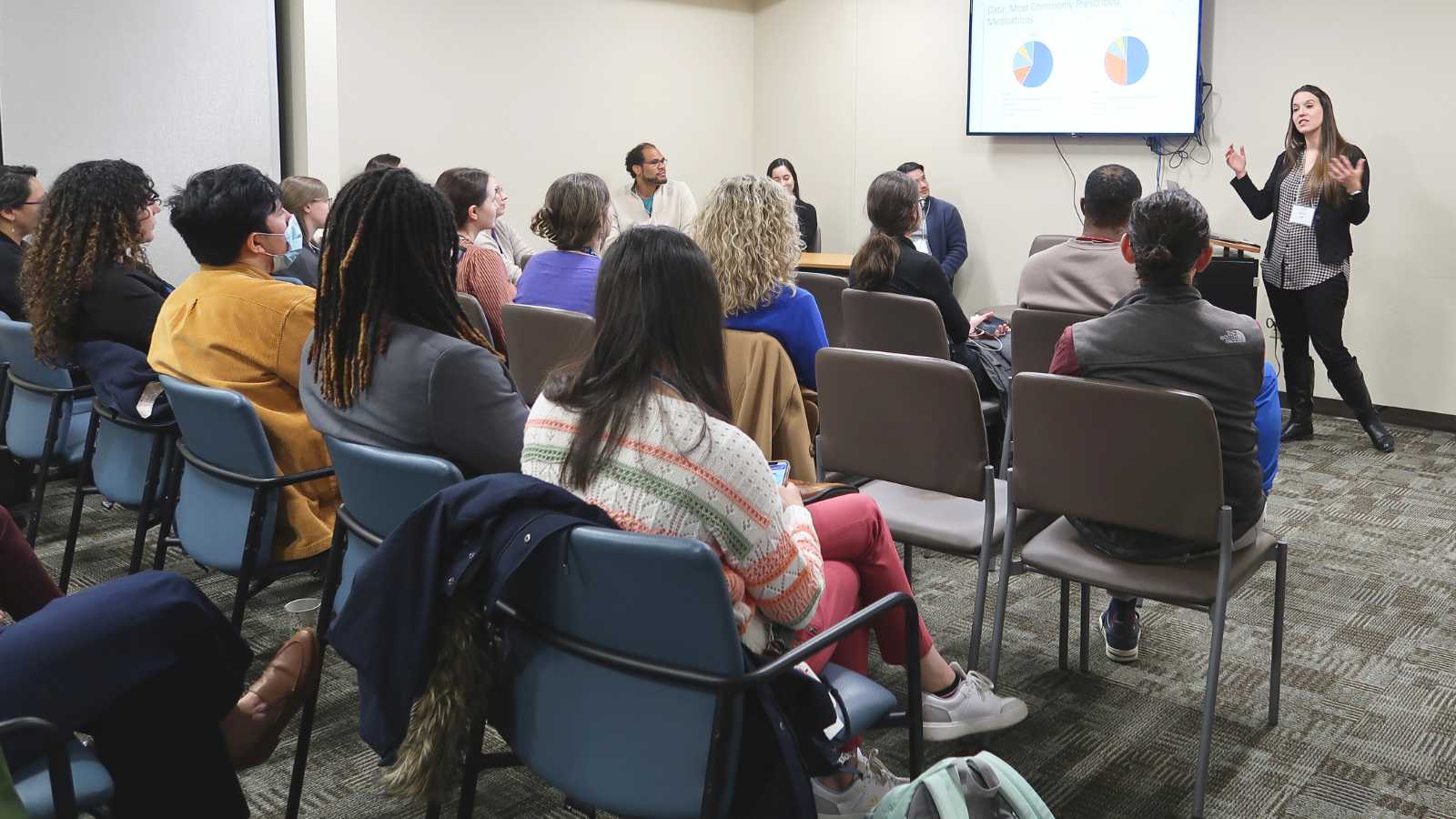
In addition to formal didactics are the following educational activities at UPMC Western Psychiatric Hospital:
- Weekly Clinical Case Conferences
- Grand Rounds where nationally and internationally recognized experts present a variety of clinically-relevant topics
- Resident Grand Rounds where senior residents present cases and a multidisciplinary faculty panel discusses the contemporary state of knowledge
- Quarterly workshops, taking place based on resident needs and interests
- Journal Club where residents have the opportunity to be paired with junior and senior faculty, present a recent paper and lead an academic discussion about psychiatry-related topics
Our Training Sites
Psychiatry training takes place at UPMC Western Psychiatric Hospital (WPH), an institution consistently ranked among the top hospitals in the nation. WPH is well-known and highly regarded for its inpatient and outpatient programs, community services and specialized programs, including services in crisis intervention, community-based care, and interventional psychiatry.
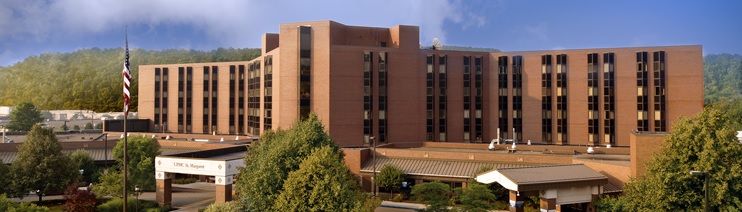
All Family Medicine training takes place in UPMC St. Margaret Hospital, an acute care and teaching hospital with a focus on overall health and wellness. This Magnet® designated hospital provides state-of-the-art services in family medicine, geriatrics, general surgery, oncology, cardiac health, orthopedics and rehabilitative care.
Please note that the following schedules serve as examples, but the order and structure of specific rotations may change as it is our goal to provide individualized training.
The goal of the PGY1 (internship) year is to learn the basics of family medicine and psychiatry to provide a foundation for subsequent training in both primary care and psychiatry. The first year is weighted towards family medicine, as four months of training in general medicine is also required for psychiatry training. A total of eight four-week blocks and one two-week block are spent in family medicine rotations to begin residency training.
This initiation into medicine is followed by psychiatric rotations that include an eight week block on the Dual Diagnosis Unit (UPMC Western Psychiatric Hospital, 10th Floor), a four week block on Neurology Consults (Presbyterian Hospital-PUH), and a six week block in Psychiatric Emergency Services in the Diagnostic and Evaluation Center (DEC) at UPMC Western Psychiatric Hospital.
Family Medicine at UPMC St. Margaret's Hospital
| Time Period | Rotations |
|---|---|
| 2 weeks | Outpatient Family Medicine |
| 8 weeks | Inpatient Family Medicine & Geriatrics |
| 4 weeks | ICU |
| 4 weeks | Obstetrics |
| 4 weeks | Inpatient Surgery |
| 2 weeks | Night Float |
| 2 weeks | Outpatient Pediatrics |
| 2 weeks | Newborn Nursery |
| 4 weeks | Pediatrics Emergency Department |
| 2 weeks | Emergency Department |
| 34 weeks (8.5 blocks) total | |
- ½ day FHC (ambulatory) during these rotations
- ½ day Family Medicine Didactics during these rotations
- No ½ day Psychiatry Didactics during first 26 weeks of these rotations
- Combined residents would be unable to attend UPMC Western Psychiatric Hospital didactic courses during "Night Float" or ICU rotations, therefore they should not do these after week 26 of PGY1
NOTE: rotations on the Family Medicine side are subject to change based on flexibility, availability and personalization of schedule.
Psychiatry
| Time Period | Rotations |
|---|---|
| 8 weeks | 10th floor - Inpatient Dual-Diagnosis Psychiatry |
| 4 weeks | Neurology (Presbyterian Hospital) |
| 6 weeks | Emergency Psychiatry |
| 18 weeks (4.5 blocks) total | |
- ½ day Psychiatry Didactics during these rotations
- Optional ½ day FHC (ambulatory) during these rotations
Details of the Family Medicine rotations can be found on the UPMC St. Margaret Family Medicine Residency Program website.
Details of the psychiatric rotations can be found on the general psychiatry residency webpages.
The second year expands on the inpatient experiences in both disciplines and offers the beginning of psychotherapy training.
Family Medicine at UPMC St. Margaret's Hospital
| Time Period | Rotations |
|---|---|
| 4 weeks | Cardiology |
| 4 weeks | Inpatient Pediatrics |
| 4 weeks | Gynecology |
| 4 weeks | Obstetrics |
| 2 weeks | Outpatient Family Medicine |
| 18 weeks (4.5 blocks) total | |
- ½ day FHC (ambulatory) during these rotations
- ½ day Family Medicine Didactics during these rotations
- ½ day Psychiatry Didactics all year
NOTE: rotations on the Family Medicine side are subject to change based on flexibility, availability and personalization of schedule.
Psychiatry
| Time Period | Rotations |
|---|---|
| 8 weeks | Inpatient Adult Mood Disorders Unit |
| 4 weeks | Neurology (Presbyterian Hospital and/or Children's Hospital) |
| 10 weeks | Inpatient Adult Psychosis Unit |
| 10 weeks | Adult Consult & Liaison Psychiatry (Presbyterian Hospital) |
| 34 weeks (8.5 blocks) total | |
- ½ day Psychiatry Didactics all year
- Optional ½ day FHC (ambulatory) during these rotations
The PGY3 year expands on knowledge and skills gained in the first 2 years of both disciplines, with a focus on Psychiatry. There is an emphasis on longitudinal outpatient experiences working alongside the combined residents’ categorical psychiatry colleagues. There are twelve months of psychiatry rotations during PGY3 with one half day per week required in a Family Health Center.
Psychiatry
| Time Period | Rotations |
|---|---|
| 52 weeks | Outpatient Psychosis (CRS Clinic) ½ day weekly |
| 52 weeks | Outpatient Adult Mood Disorders (Bellefield Clinic) ½ day weekly |
| 26 weeks | Outpatient Geriatric Psychiatry (Benedum Clinic) ½ day weekly |
| 26 weeks | Outpatient Child & Adolescent Psychiatry (CCF Clinic) ½ day weekly |
| 52 weeks | Ambulatory Psychiatry Elective(s) ½ day weekly |
| 52 weeks | Psychotherapy Patients (Ambulatory) ½ day weekly |
| Variable | Forensics |
| Variable | Community Psychiatry |
| 52 weeks (13 blocks) total | |
- ½ day Psychiatry Didactics all year
- ½ day FHC (ambulatory) all year
- No Family Medicine Didactics during this year
The PGY4 year is more concentrated on strengthening residents’ skills in providing outpatient and inpatient medical care with opportunities to integrate Psychiatry and Family Medicine Skills.
Family Medicine at UPMC St. Margaret's Hospital
| Time Period | Rotations |
|---|---|
| 4 weeks | Inpatient Family Medicine |
| 4 weeks | Inpatient Geriatrics |
| 2 weeks | Pediatrics Emergency Department |
| 2 weeks | Night Float |
| 4 weeks | Dermatology |
| 4 weeks | Sports Medicine |
| 4 weeks | Electives |
| 4 weeks | Outpatient Surgery |
| 4 weeks | Outpatient Medical Management |
| 4 weeks | Outpatient Family Medicine |
| 4 weeks | ICU |
| 4 weeks | Outpatient Geriatrics |
| 4 weeks | Outpatient ENT & Ophthalmology |
| 4 weeks | Teaching Selective |
| 52 weeks (13 blocks) total | |
- 2 half-days of FHC (ambulatory) during these rotations
- 1-2 half-day Family Health Center office hours
- ½ day Family Medicine Didactics during these rotations
- ½ day Psychiatry Didactics during first 26 weeks of these rotations
NOTE: rotations on the Family Medicine side are subject to change based on flexibility, availability and personalization of schedule.
The PGY5 year provides an opportunity for residents to further bring together knowledge they have gained in both disciplines and to explore electives designed to integrate their skills. Residents also have the opportunity to “round out” their training experience by choosing electives that integrate medical and psychiatric care in a single setting.
Family Medicine at UPMC St. Margaret's Hospital
| Time Period | Rotations |
|---|---|
| 2 weeks | Pediatric Emergency Room |
| 2 weeks | Night Float |
| 4 weeks | Orthopedics |
| 14 weeks | Electives |
| 2 weeks | Emergency Department |
| 26 weeks (4.5 blocks) total | |
- 3 half-days of FHC (ambulatory) during these rotations
- ½ day Family Medicine Didactics during these rotations
NOTE: rotations on the Family Medicine side are subject to change based on flexibility, availability and personalization of schedule.
Psychiatry
| Time Period | Rotations |
|---|---|
| 16 weeks | Outpatient Psychiatry Electives |
| 5 weeks | Inpatient Elective |
| 5 weeks | Inpatient Geriatrics |
| 26 weeks (6.5 blocks) total | |
- No mandatory Psychiatry Didactics all year
- 3 half-days of FHC (ambulatory) during these rotations
The PGY5 resident will now have three half-days per week in the family health center throughout the year.
The Psychiatry curriculum in the PGY5 year includes required experiences in Community Psychiatry and Forensic Psychiatry. Both of these experiences are ambulatory in nature.
Interested in our Combined Family Medicine & Psychiatry residency training program? Read about how to apply and learn about the city of Pittsburgh.
