University of Pittsburgh logo
Department of Psychiatry
University of Pittsburgh logo
Information for You
  • Faculty & Staff
  • Prospective Trainees
  • Investigators
  • Patients & Families
Our People
Menu
  • Education
    • Education Overview
    • Residency & Fellowships
    • Research Training
    • Medical Student Education
    • Clinical Psychology Internship
    • Clinician Career Development
  • Research
    • Research Overview
    • Research Faculty
    • Research Training
    • Investigator Resources
    • Health Equity Research
    • Participate in Research
  • Patient Care
    • Patient Care Overview
    • Access to Care
    • Clinical Services Overview
    • Clinical Faculty
    • Resources for Clinicians
  • Community & Culture
    • Community & Culture Overview
    • Leadership & Advisory Council
    • Research Equity & Community Health (REACH)
    • Community & Partnership
    • Community News
  • About Us
    • About Us Overview
    • Chair's Message
    • Our People
    • Our History, Our Present, & Our Future
    • Life in Pittsburgh
  • News & Events
    • News & Events Overview
    • News
    • Events
  • Information for You
    • Faculty & Staff
    • Prospective Trainees
    • Investigators
    • Patients & Families
  • Our People

Main menu

  • Education
    • Residency & Fellowships
      • Residency Training
      • Training Pathways & Concentrations
      • Clinical Fellowships
      • Our Clinical Learning Environment
      • Our Leadership
      • Our Chief Residents
      • Our Residents
    • Research Training
      • Undergraduate & Graduate Student Training
      • Medical Student Research
      • Research During Residency
      • Postdoctoral Training
      • Medical Student Education
      • Clinical Psychology Internship
      • Clinician Career Development
  • Research
    • Research Training
      • Undergraduate & Graduate
      • Medical Student Research
      • Research During Residency
      • Postdoctoral Training
    • Investigator Resources
      • Research Day
      • Research Review Committee
      • Assessment Instruments
    • Health Equity Research
      • REACH Collaborative
      • Research Faculty
      • Participate in Research
  • Patient Care
      • Access to Care
      • Clinical Services Overview
      • Clinical Faculty
      • Resources for Clinicians
  • Community & Culture
  • About Us
    • Our People
      • Faculty
      • Staff
      • Emeritus Faculty
      • Chair's Message
      • Our History, Our Present, & Our Future
      • Life in Pittsburgh
  • News & Events
      • News
      • Events
  • Search

Breadcrumb menu

  1. Home
  2. Education
  3. Research Training
  4. Postdoctoral Training
  5. Training Programs
  6. Sleep Medicine

Education

  • Residency & Fellowships
  • Research Training
    • Undergraduate & Graduate Student Training
    • Medical Student Research
    • Research During Residency
    • Postdoctoral Training
      • Mentorship
      • Career Development
      • Training Programs
        • Alcohol Research
        • Cardiovascular Behavioral Medicine
        • Child Mental Health
        • Clinical Research Training for Psychologists
        • Geriatric Psychiatry
        • Sleep Medicine
        • Substance Use Disorder Research
        • Translational Neuroscience
      • Resources
  • Medical Student Education
  • Clinical Psychology Internship
  • Clinician Career Development

Translational Research Training in Sleep Medicine

The aim of this program is to train a diverse future generation of clinical and basic researchers in a translational, multidisciplinary approach to sleep and circadian science. The conceptual framework utilized for training emphasizes the multi-dimensional nature of sleep and circadian health and its importance in reducing health disparities. We focus on the mechanisms through which sleep and circadian rhythms influence health; identify causes and consequences of poor sleep health in relation to physical, mental, and cognitive health outcomes; and evaluate novel sleep and circadian interventions. We address these questions in the context of health disparities arising from a range of factors.

Our training philosophy: Effective training in sleep and circadian science is multidisciplinary, translational, evidence-based, milestone-driven, and socially conscious. 

The training program includes three components: 
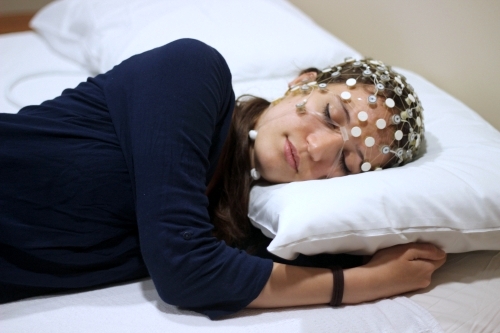
Sleep research participant
Sleep study research participant.
  1. Postdoctoral training:  Mentored research with experienced investigators is the foundation of this program. We use a team mentoring approach, support individualized didactic work, and employ measurable outcomes to judge progress. Trainees attend a weekly T32 seminar that includes core competencies in sleep and circadian science, professional development sessions, and responsible conduct of research discussions. Trainees participate in the Department’s Career and Research Development Seminar (CARDS) series.
  2. Medical student research training: We offer a 10–12-week individualized research experience with a sponsoring mentor. Activities include mentored research with an emphasis on generating posters, abstracts, and papers, as well as opportunities to interact with faculty and peers. We also mentor medical student research through the School of Medicine Longitudinal Research Project.
  3. Predoctoral training: This program supports nationally recruited predoctoral students in accredited Pitt graduate programs (e.g., psychology, neuroscience, epidemiology, health and physical activity). Training emphasizes research in the mentor’s lab as well as near-peer mentoring and participation in seminars.


Program length

One to three years (predoctoral and postdoctoral programs); 10 weeks to three years (medical student training).


Who should apply?

Postdoctoral training: Individuals with an MD or PhD in a discipline related to sleep/circadian medicine are encouraged to apply. Examples include medicine, psychology, nursing, physiology, and epidemiology.

Medical student research training: Medical students in the early stages of training, typically transitioning from first to second year. Applications are encouraged from the University of Pittsburgh and other medical schools.

Predoctoral training: Incoming or established graduate students in Pitt graduate programs relevant to sleep and circadian science.


How many spots are available?

Four postdoctoral positions, four medical student summer positions, and two predoctoral training positions are available each year.


How do I apply?

If you are interested in the program, please complete an online contact form.

University of Pittsburgh logo

Stay connected

  • LinkedIn
  • Bluesky
  • Instagram
  • Facebook
  • Threads

Location

Thomas Detre Hall
3811 O'Hara Street
Pittsburgh, PA 15213
  • Contact Us

Related Websites

  • medschool.pitt.edu
  • pitt.edu

Explore

  • Find People
  • Education
  • Research
  • Patient Care
  • Community & Culture
  • About Us
  • News and Events

Information for

  • Faculty & Staff
  • Prospective Trainees
  • Investigators
  • Patients & Families

Intranet Sites

  • Psy Hub for faculty (requires UPMC log-in and UPMC computer or access through MyApps)
  • Postdoc Portal Postdoc Portal for postdoctoral trainees
  • Office of Grants and Contracts (OGC) website accessible on internal network only

Join Our Newsletter

Stay up to date on department and faculty happenings.

University of Pittsburgh Department of Psychiatry mailing list Fill in the form to subscribe to the mailing list.

Psychiatry Advances Podcast

Covering Innovative research and patient-centered programs.

Listen to Podcast

© 2026 University of Pittsburgh Department of Psychiatry