University of Pittsburgh logo
Department of Psychiatry
University of Pittsburgh logo
Information for You
  • Faculty & Staff
  • Prospective Trainees
  • Investigators
  • Patients & Families
Our People
Menu
  • Education
    • Education Overview
    • Residency & Fellowships
    • Research Training
    • Medical Student Education
    • Clinical Psychology Internship
    • Clinician Career Development
  • Research
    • Research Overview
    • Research Faculty
    • Research Training
    • Investigator Resources
    • Health Equity Research
    • Participate in Research
  • Patient Care
    • Patient Care Overview
    • Access to Care
    • Clinical Services Overview
    • Clinical Faculty
    • Resources for Clinicians
  • Community & Culture
    • Community & Culture Overview
    • Leadership & Advisory Council
    • Research Equity & Community Health
    • Community & Partnership
    • Community News
    • Community Awards & Accolades
  • About Us
    • About Us Overview
    • Chair's Message
    • Our People
    • Our History, Our Present, & Our Future
    • Life in Pittsburgh
  • News & Events
    • News & Events Overview
    • News
    • Events
  • Information for You
    • Faculty & Staff
    • Prospective Trainees
    • Investigators
    • Patients & Families
  • Our People

Main menu

  • Education
    • Residency & Fellowships
      • Residency Training
      • Training Pathways & Concentrations
      • Clinical Fellowships
      • Our Clinical Learning Environment
      • Our Leadership
      • Our Chief Residents
      • Our Residents
    • Research Training
      • Undergraduate & Graduate Student Training
      • Medical Student Research
      • Research During Residency
      • Postdoctoral Training
      • Medical Student Education
      • Clinical Psychology Internship
      • Clinician Career Development
  • Research
    • Research Training
      • Undergraduate & Graduate
      • Medical Student Research
      • Research During Residency
      • Postdoctoral Training
    • Investigator Resources
      • Research Day
      • Research Review Committee
      • Assessment Instruments
    • Health Equity Research
      • REACH Collaborative
      • Research Faculty
      • Participate in Research
  • Patient Care
      • Access to Care
      • Clinical Services Overview
      • Clinical Faculty
      • Resources for Clinicians
  • Community & Culture
      • Leadership & Advisory Council
      • Research Equity & Community Health
      • Community & Partnership
      • Community News
      • Community Awards & Accolades
  • About Us
    • Our People
      • Faculty
      • Staff
      • Emeritus Faculty
      • Chair's Message
      • Our History, Our Present, & Our Future
      • Life in Pittsburgh
  • News & Events
      • News
      • Events
  • Search

Breadcrumb menu

  1. Home
  2. News
  • November 9, 2020
  • Share on LinkedIn
  • Share on Bluesky
  • Share on Facebook
  • Share on Threads
  • Share via email

New Research in Psychological Medicine on Borderline Personality Disorder and Stress
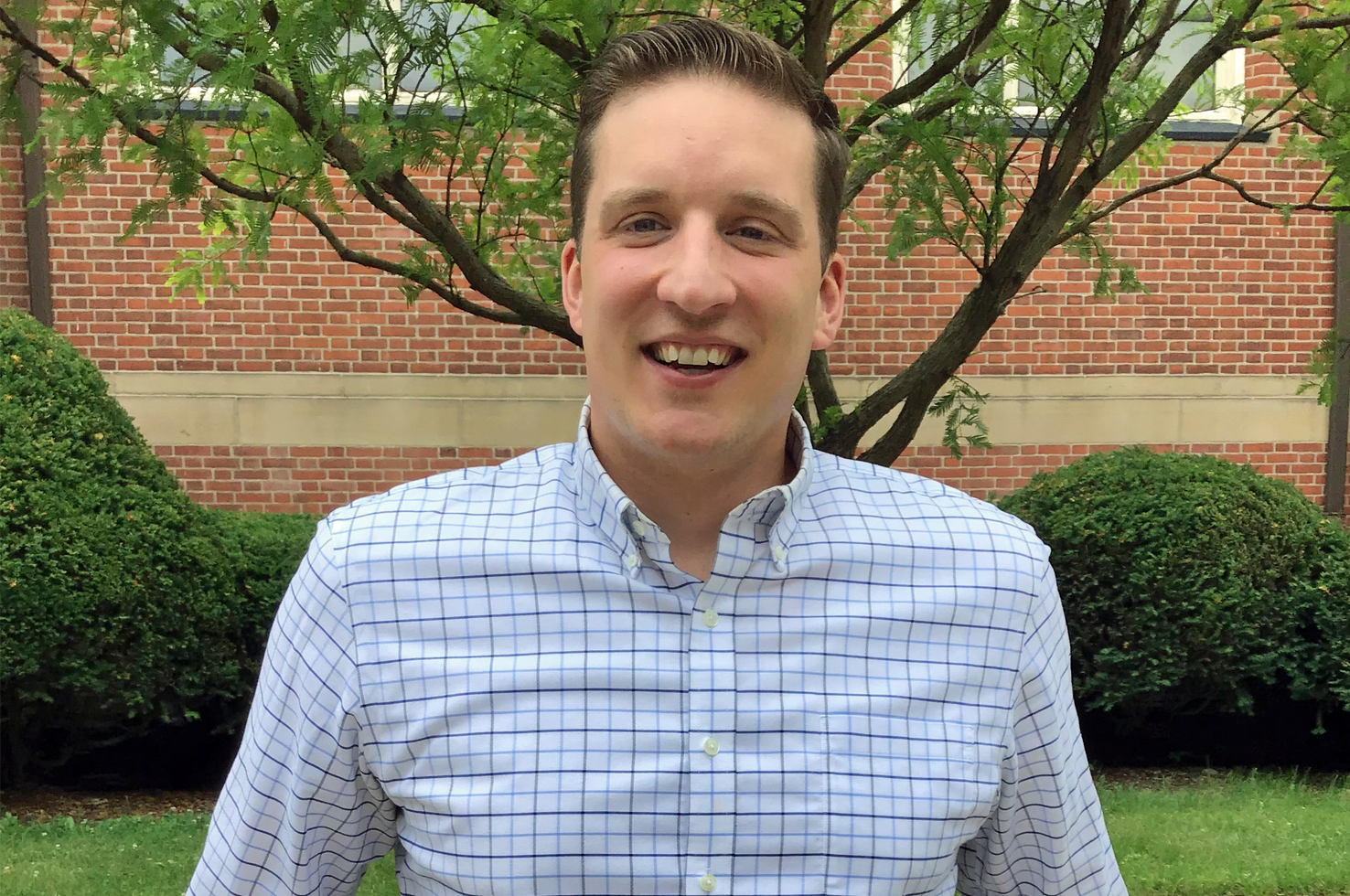
Dr. Tim Allen

Individuals diagnosed with borderline personality disorder often report leading stressful and tumultuous lives. Research suggests that they are likely to experience more prospective stressors (known as stress generation), and more emotional reactivity following those stressors (known as stress reactivity) than individuals without borderline personality disorder, including those diagnosed with other psychiatric disorders. 

Until now, most research on stress and borderline personality disorder has treated the disorder as a distinct, uniform construct, despite evidence that the diagnosis is made up of a heterogeneous collection of symptoms. Drawing on this observation, researchers including Timothy Allen, PhD, and Alexandre Dombrovski, MD, of Pitt Psychiatry investigated whether three important features of borderline personality disorder—negative affect, antagonism, and disinhibition—help to explain the disorder’s relationship with stress. Negative affect reflects an individual’s tendency to experience negative emotion, whereas antagonism captures tendencies to be impolite, callous, or aggressive. Disinhibition reflects a general carelessness or impulsiveness. 

In the study, recently published in Psychological Medicine, the investigators measured negative affect, antagonism, and disinhibition, as well as life stressors, in 355 individuals diagnosed with borderline personality disorder. Study participants completed questionnaires pertaining to stress, negative affect, antagonism, and disinhibition at the beginning of the study, and at three annual follow-ups. To measure and analyze negative affect, disinhibition, and antagonism over time, the team used longitudinal structural equation modeling.

The investigators hypothesized that experiencing many stressful life events in the prior year would prospectively predict increases in negative affect (stress reactivity), but not antagonism or disinhibition, among individuals with borderline personality disorder. In contrast, higher levels of negative affect, antagonism, and disinhibition would predict a higher number of stressful events in the future, particularly when those events were at least partially the product of the individual’s own choices or behaviors (stress generation). 

Findings from the study provided evidence of stress generation in individuals with borderline personality disorder and demonstrated that specific features of the disorder, antagonism and disinhibition—but not negative affect—are the primary drivers of stressors resulting at least partially from the individual’s own choices and behaviors. Importantly, the effects of antagonism and disinhibition were largely distinct from one another. There was also some evidence of stress reactivity, as stressors outside the individual’s control (like the death of a family member) led to increases in negative affect over time.

“Our findings suggest that focusing on the key features of borderline personality disorder, rather than treating it as a unitary construct, can help to disentangle its links to stress and emotional reactivity,” said Tim Allen, PhD, the study’s first author. “Targeting our interventions to specifically address these individual features as they present in patients may be helpful for reducing stress-related burden, not only in borderline personality disorder, but potentially many other psychiatric disorders as well.” 

Borderline personality disorder: Stress reactivity or stress generation? A prospective dimensional study
Allen TA, Dombrovski AY, Soloff PH, Hallquist MN
Psychological Medicine 1–8. https://doi.org/10.1017/S003329172000255X 


University of Pittsburgh logo

Stay connected

  • LinkedIn
  • Bluesky
  • Instagram
  • Facebook
  • Threads

Location

Thomas Detre Hall
3811 O'Hara Street
Pittsburgh, PA 15213
  • Contact Us

Related Websites

  • medschool.pitt.edu
  • pitt.edu

Explore

  • Find People
  • Education
  • Research
  • Patient Care
  • Community & Culture
  • About Us
  • News and Events

Information for

  • Faculty & Staff
  • Prospective Trainees
  • Investigators
  • Patients & Families

Intranet Sites

  • Psy Hub for faculty (requires UPMC log-in and UPMC computer or access through MyApps)
  • Postdoc Portal Postdoc Portal for postdoctoral trainees
  • Office of Grants and Contracts (OGC) website accessible on internal network only

Join Our Newsletter

Stay up to date on department and faculty happenings.

University of Pittsburgh Department of Psychiatry mailing list Fill in the form to subscribe to the mailing list.

Psychiatry Advances Podcast

Covering Innovative research and patient-centered programs.

Listen to Podcast

© 2026 University of Pittsburgh Department of Psychiatry