University of Pittsburgh logo
Department of Psychiatry
University of Pittsburgh logo
Information for You
  • Faculty & Staff
  • Prospective Trainees
  • Investigators
  • Patients & Families
Our People
Menu
  • Education
    • Education Overview
    • Residency & Fellowships
    • Research Training
    • Medical Student Education
    • Clinical Psychology Internship
    • Clinician Career Development
  • Research
    • Research Overview
    • Research Faculty
    • Research Training
    • Investigator Resources
    • Health Equity Research
    • Participate in Research
  • Patient Care
    • Patient Care Overview
    • Access to Care
    • Clinical Services Overview
    • Clinical Faculty
    • Resources for Clinicians
  • Community & Culture
    • Community & Culture Overview
    • Leadership & Advisory Council
    • Research Equity & Community Health
    • Community & Partnership
    • Community News
    • Community Awards & Accolades
  • About Us
    • About Us Overview
    • Chair's Message
    • Our People
    • Our History, Our Present, & Our Future
    • Life in Pittsburgh
  • News & Events
    • News & Events Overview
    • News
    • Events
  • Information for You
    • Faculty & Staff
    • Prospective Trainees
    • Investigators
    • Patients & Families
  • Our People

Main menu

  • Education
    • Residency & Fellowships
      • Residency Training
      • Training Pathways & Concentrations
      • Clinical Fellowships
      • Our Clinical Learning Environment
      • Our Leadership
      • Our Chief Residents
      • Our Residents
    • Research Training
      • Undergraduate & Graduate Student Training
      • Medical Student Research
      • Research During Residency
      • Postdoctoral Training
      • Medical Student Education
      • Clinical Psychology Internship
      • Clinician Career Development
  • Research
    • Research Training
      • Undergraduate & Graduate
      • Medical Student Research
      • Research During Residency
      • Postdoctoral Training
    • Investigator Resources
      • Research Day
      • Research Review Committee
      • Assessment Instruments
    • Health Equity Research
      • REACH Collaborative
      • Research Faculty
      • Participate in Research
  • Patient Care
      • Access to Care
      • Clinical Services Overview
      • Clinical Faculty
      • Resources for Clinicians
  • Community & Culture
      • Leadership & Advisory Council
      • Research Equity & Community Health
      • Community & Partnership
      • Community News
      • Community Awards & Accolades
  • About Us
    • Our People
      • Faculty
      • Staff
      • Emeritus Faculty
      • Chair's Message
      • Our History, Our Present, & Our Future
      • Life in Pittsburgh
  • News & Events
      • News
      • Events
  • Search

Breadcrumb menu

  1. Home
  2. News
  • January 20, 2022
  • Share on LinkedIn
  • Share on Bluesky
  • Share on Facebook
  • Share on Threads
  • Share via email

Recent Research on the Harmonization of Neuroimaging Data Using RAVEL and ComBat
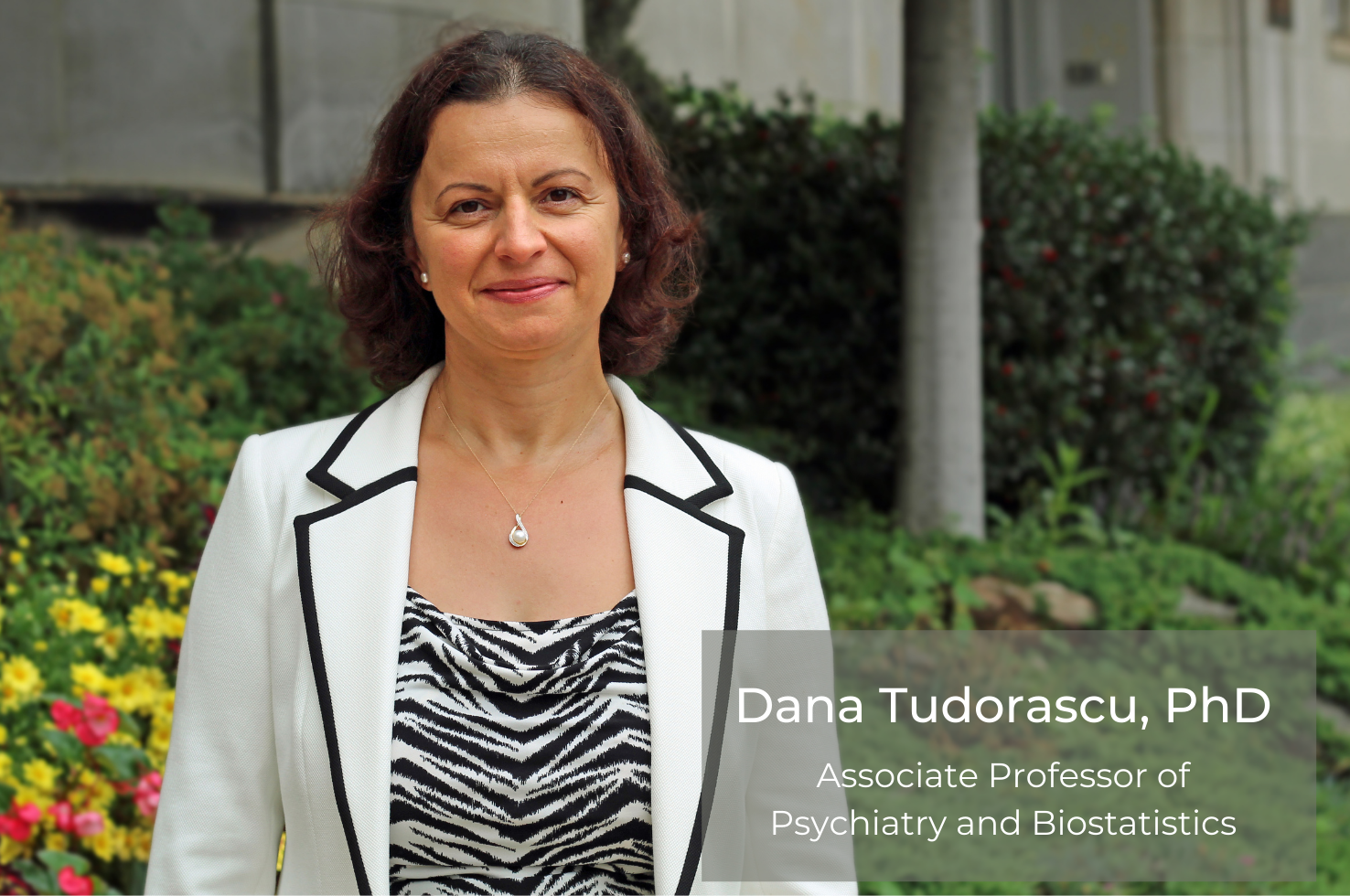
Dr. Dana Tudorascu

Neuroimaging studies of structural magnetic resonance imaging (MRI) provide invaluable insights into the changes underlying neurodegenerative diseases, such as Alzheimer's disease, but frequently combine data collected from multiple scanners and experimental conditions. These conditions can yield data containing substantial technical variability and biases due to differences in sites, scanners, and image acquisition protocols. In a recent study published in NeuroImage, Mahbaneh Eshaghzadeh Torbati (PhD student, University of Pittsburgh School of Computing and Information) and Pitt Psychiatry scientists Ann Cohen, PhD (Associate Professor of Psychiatry); Howard Aizenstein, MD, PhD (Charles F. Reynolds III and Ellen G. Detlefsen Endowed Chair in Geriatric Psychiatry and Professor of Bioengineering and Clinical and Translational Science); William Klunk, MD, PhD (Distinguished Professor of Psychiatry and Neurology and Levidow-Pittsburgh Foundation Chair in Alzheimer's Disease and Dementia Disorders); and senior author Dana Tudorascu, PhD (Associate Professor of Psychiatry and Biostatistics), evaluated and compared results of data analysis methods without any data transformation (RAW), with intensity normalization using RAVEL, with regional harmonization methods using ComBat, and a combination of RAVEL and ComBat.

“The main goal of our study was to eliminate variability due to scanner differences. The problem with MRI data is that you can scan the brain of the same individual on two different scanners and get very different images, because MRI measurement units are arbitrary.  RAVEL is a method of standardization (normalization) that can remove inter-subject variability at the level of brain images. ComBat, on the other hand, is a harmonization method that is applied to summary measures extracted from the brain and it works by reducing variability due to the scanner,” said Dr. Tudorascu.

Methods were evaluated on sample of 16 study participants who were scanned on both 1.5T and 3T scanners a few months apart. Neuroradiological evaluation was conducted for seven different regions of interest that are pertinent to Alzheimer's disease. 

Findings from the study showed that RAVEL substantially improved the reproducibility of image intensities. However, ComBat provided more consistent harmonization across subjects and image-derived measures. Additionally, RAVEL and ComBat substantially reduced bias compared to the analysis of RAW images, but RAVEL also resulted in larger variance.

“We believe that not controlling for scanner effects in multi-scanner/multi-site studies may have major implications in clinical studies. For example, if you want to measure treatment effect and you are scanning people on different scanners, you may end up with biased results. We found, for example, statistically significant cross-scanner differences for 55% of the Alzheimer’s disease-related brain regions that we studied. After applying RAVEL and Combat, the number of these regions with scanner bias got reduced by 54%,” said Dr. Tudorascu.

A multi-scanner neuroimaging data harmonization using RAVEL and ComBat
Eshaghzadeh Torbati M, Minhas DS, Ahmad G, O’Connor EE, Muschelli J, Laymon CM, Yang Z, Cohen AD, Aizenstein HJ, Klunk WE, Christian BT, Hwang SJ, Crainiceanu CM, Tudorascu DL

NeuroImage (2021). https://doi.org/10.1016/j.neuroimage.2021.118703

University of Pittsburgh logo

Stay connected

  • LinkedIn
  • Bluesky
  • Instagram
  • Facebook
  • Threads

Location

Thomas Detre Hall
3811 O'Hara Street
Pittsburgh, PA 15213
  • Contact Us

Related Websites

  • medschool.pitt.edu
  • pitt.edu

Explore

  • Find People
  • Education
  • Research
  • Patient Care
  • Community & Culture
  • About Us
  • News and Events

Information for

  • Faculty & Staff
  • Prospective Trainees
  • Investigators
  • Patients & Families

Intranet Sites

  • Psy Hub for faculty (requires UPMC log-in and UPMC computer or access through MyApps)
  • Postdoc Portal Postdoc Portal for postdoctoral trainees
  • Office of Grants and Contracts (OGC) website accessible on internal network only

Join Our Newsletter

Stay up to date on department and faculty happenings.

University of Pittsburgh Department of Psychiatry mailing list Fill in the form to subscribe to the mailing list.

Psychiatry Advances Podcast

Covering Innovative research and patient-centered programs.

Listen to Podcast

© 2026 University of Pittsburgh Department of Psychiatry